Knowledge
4 ways to validate your branded podcast idea


From hosts to artwork, from choosing a format to working out who your audience is, starting a branded podcast is a big undertaking. How do you know that you even have the right podcast idea?
This isn’t something to consider lightly: podcasts can be a big investment. A budget means someone signed off on that funding, and therefore stakeholders are invested in the outcome. Validating your podcast idea means being able to justify your spending. It means that you aren’t wasting yours, your audience’s, or your host’s time. Most importantly, the right idea means you can create a podcast that your audience will love, tell others about, and come back to for more.
How do you validate your podcast idea?
Go to your listeners
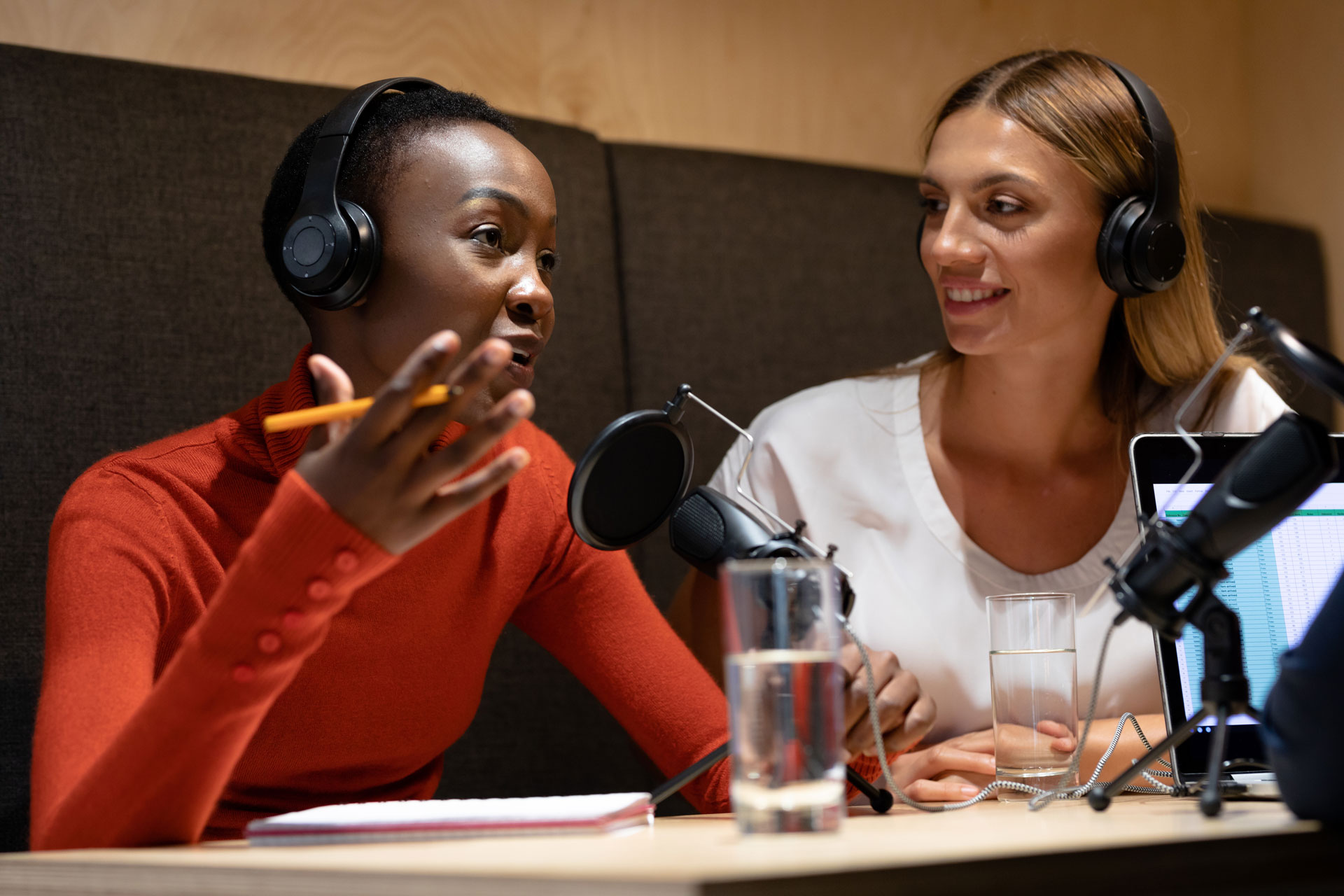
An old business proverb states ‘never ask a barber if you need a haircut’. In podcasting, the opposite is true: always ask your listeners if you should make a podcast, more accurately, what sort of podcast they want. We believe in an audience first approach.
Making a podcast that you think is a great idea may be one step forward, but it’s not always the best step. Consider your brand, your knowledge and values. You have the advantage of being able to talk about any of that, but not all of it is what the audience will want to hear.
The way forward is to have a conversation with the people you want as listeners. Ask peers, past clients, potential clients - anyone who can provide insight without telling you what they think you want to hear. Get that focus group together and examine where their desires overlap with your expertise.
Survey your teams about your podcast idea
As a brand, a resource to utilise immediately is your own team. These are the people most likely to be hearing about your branded podcast. Surveying them is a wonderful way to involve them in the process, and the insights gained will be invaluable. They’re the ones who know about your audience, their pain points, and the things they’ll want to know more about.
Research the market
An engaged, invested audience that is listening to episodes in full is the pinnacle of any podcast, right? If so, there’s no point in making your podcast if your audience is having that need met elsewhere. So consider where your podcast fits in an already established market. Who is making similar podcasts? How do they approach them? Which podcasts are successful and which ones aren’t? Why?
After answering those questions, look at your output. Look at the gaps you can fill. Question how your podcast will be different to other podcasts, and consider what story only you can tell.
We love tools like Rephonic, they’re great starting points for this. It shows you the most liked groupings of podcasts based on what you input. By entering similar podcasts to yours (or others your audience enjoys), you can identify key clusters of similar groups - the results might surprise you!
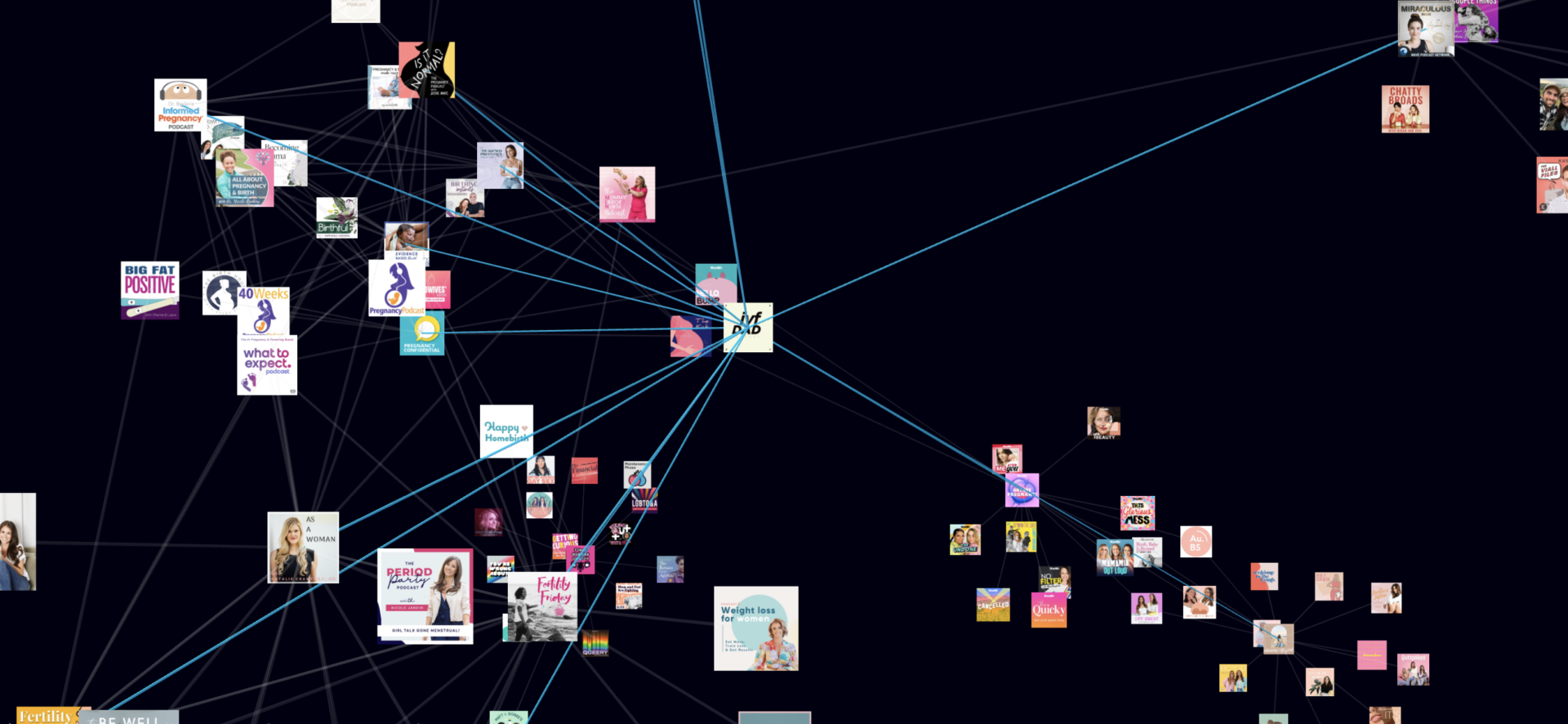
Being able to identify niches your podcast fits into is a great step to take - not only will it show you gaps in the market, but it can also signpost hidden audience appetites, as well as podcasts to collaborate with (or advertise on).
Make a pilot
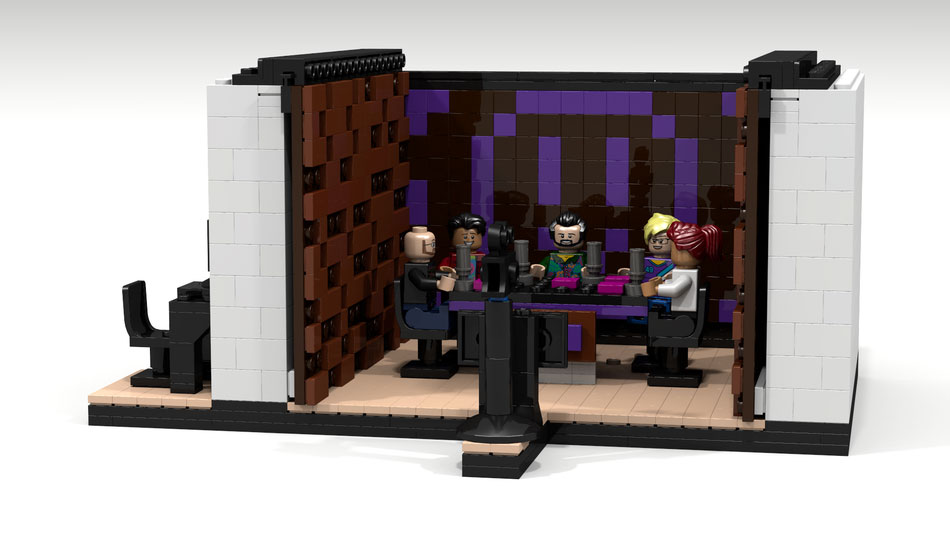
We do this a lot. Speculating about the concept of a potential new podcast isn’t the best way to feel out audience receptivity. The way to do that is to build it. The right format, ideas and approach isn’t going to save a podcast if the host-host chemistry isn’t there. And if the format, approach and ideas truly sing, what better test than allowing people to hear it in action?
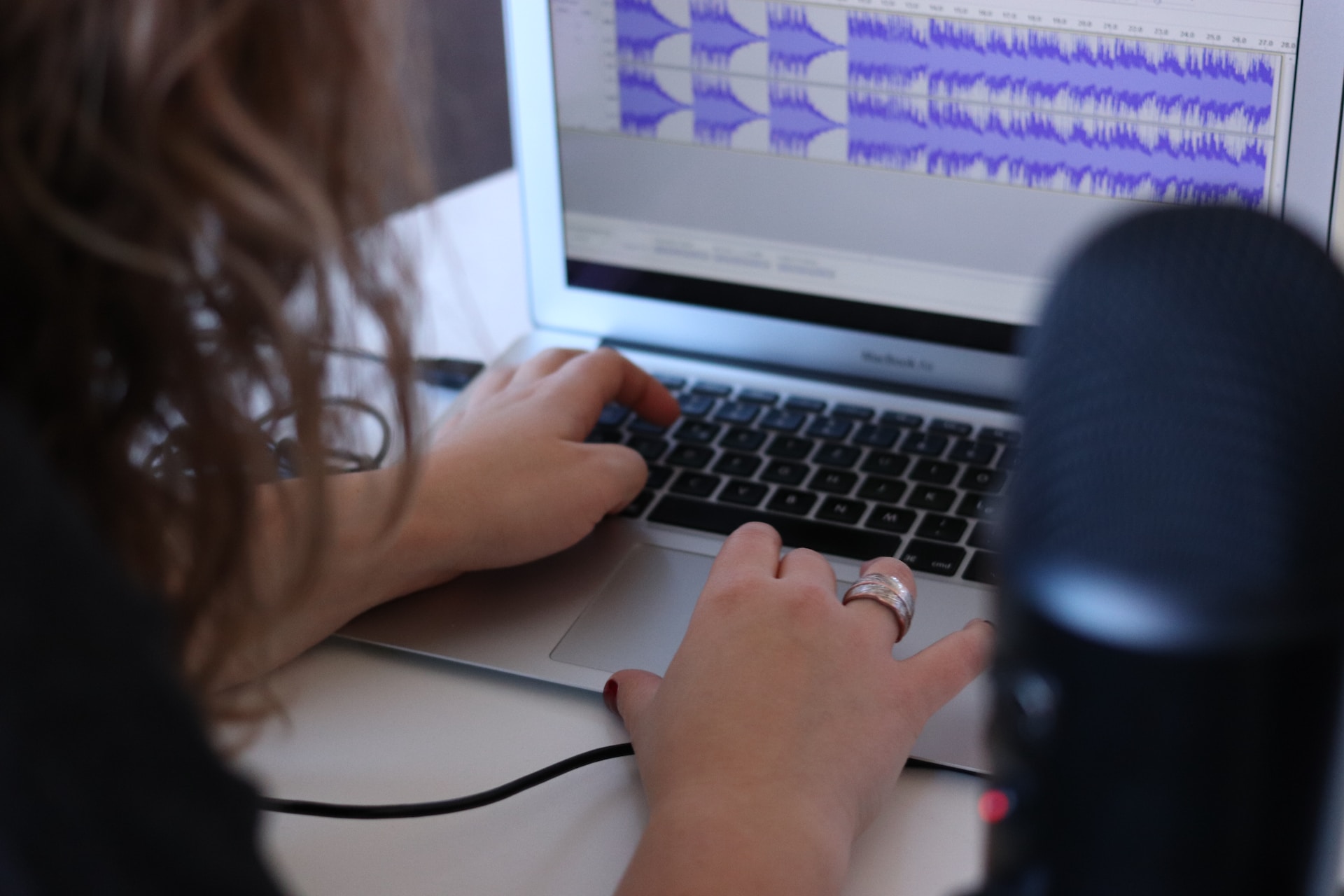
- The MVP (minimal viable product) approach. With a cheap mic and simple editing, it’s possible to create a product at its most basic level. This won’t be polished and it should come with a disclaimer, but it will allow you to test different formats, and make something with enough functionality that you can play it to a select group, measure interest and get feedback
- Go all in on one episode. An alternative to a bare-bones podcast is to go all-out, but in a microcosmic way. This is how we started Pop Detectives with Ricky Wilson and Tony Blackburn. If your concept and execution is perfect, this approach means committing to the full experience of what your podcast will be, but budgeting for a fraction of the series’ cost. This plays it safe if the episode is a miss, but if it’s a hit - great! You now have episode one.
A final note on podcast ideas
It’s not all scientific. Making podcasts is a creative process. Sometimes you have to trust your gut - which is fine! But take what you can from this list. These methods of validating your idea might not be rules, but they are compelling guidelines. They might be the difference between a good podcast and a great one.
18Sixty are a b2b podcast agency making podcasts for brands the best they can be. Talk to us about yours today.
Sign up to our newsletter
Sign up to read about the thinking behind the shows – strategy, trends and the odd strong opinion, straight to your inbox.